If you’re running a business in Canada and have recently started SEO, there’s a good chance you’ve already asked the question: “When will I actually see results?”
Fair question.
You invest money into fixing your website, publishing content, building links, improving your Google Business Profile, and working on technical SEO. Then you search your main keyword a few days later… and nothing seems to have changed.
That’s normal.
SEO isn’t like Google Ads, where you can turn on a campaign and start seeing traffic almost immediately. Organic search takes time because Google needs to crawl, understand, evaluate, and eventually trust the changes being made to your website.
For most Canadian businesses, noticeable SEO improvements can take around 3 to 6 months, while competitive industries and newer websites may need longer.
But the timeline isn’t the same for everyone.
Why SEO Takes Time in Canada
Canada is a big market, and competition varies dramatically from one city to another.
Trying to rank a plumbing company in a smaller Canadian city is very different from trying to rank for HVAC services in Toronto or Calgary.
For example, a company targeting “Toronto SEO” is competing in a market where plenty of established agencies already have years of content, backlinks, reviews, brand mentions and local authority.
The same thing happens in trades.
A company looking for seo for garage door companies may have to compete with established local businesses, directories, franchises and other companies that have already invested heavily in search.
Google doesn't simply look at who added a few keywords to their homepage last week. It looks at the bigger picture.
How useful is the website?
Does the business appear trustworthy?
Are other websites mentioning it?
Is the company actually relevant to the location?
Do people interact with the website?
Is the technical side working properly?
Those things take time to build.
The First 1–2 Months: Getting the Foundation Right
The first couple of months are usually less exciting.
You might not see huge traffic numbers yet, but plenty can be happening behind the scenes.
An SEO campaign may start with a technical audit, keyword research, competitor research, Google Search Console setup, website structure improvements and content planning.
For a local business, the work may also include improving the Google Business Profile, fixing inconsistent business information, building relevant citations and creating location-focused pages.
This stage matters because there’s little point building hundreds of backlinks to a website that has technical problems or poor content.
Think of it like renovating a house. You wouldn’t paint the walls while the plumbing is leaking.
Months 2–3: Early Signs Start Appearing
This is where you may start noticing small changes.
Some keywords can move up several positions. Pages that weren't appearing in Google may start getting impressions. Search Console might show more queries. A few long-tail keywords could begin bringing visitors.
Don't expect every target keyword to jump onto page one.
That's not how SEO normally works.
Instead, look for signs of progress.
Maybe your service page moves from position 70 to 35. Another keyword goes from page five to page three. Your Google Business Profile starts receiving more discovery searches.
Those improvements can look small, but they're useful signals.
This is also where a good SEO team starts looking at what's actually working rather than blindly following the original plan.
Months 3–6: Traffic and Rankings Can Become More Meaningful
For many businesses, the three-to-six-month period is when SEO starts becoming much easier to measure.
Some pages may reach the first page. Organic traffic can begin increasing. More keywords can generate impressions and clicks.
Local businesses may also start seeing more calls, direction requests or website visits from Google Maps and local search.
The exact results depend heavily on the industry.
An HVAC marketing agency working with a small local contractor may focus heavily on service-area pages, Google Business Profile optimization, reviews, local links and searches such as “HVAC company near me.”
A digital marketing agency for HVAC contractors, on the other hand, might be dealing with several locations, highly competitive commercial keywords and a much larger content strategy.
Same industry. Completely different SEO campaign.
Competitive Cities Can Take Longer
Location makes a big difference.
Toronto, Vancouver, Calgary, Montreal and other major Canadian markets have plenty of businesses competing for valuable commercial searches.
For example, a search engine marketing agency Calgary may be targeting keywords where established agencies already have strong websites and years of authority behind them.
That doesn't mean a newer company can't compete.
It simply means the campaign needs a realistic timeline.
Instead of expecting a new website to beat established competitors in a few weeks, the focus should be on building topical relevance, useful content, quality backlinks, local authority and a stronger overall website.
The same applies to businesses targeting Toronto SEO searches.
Sometimes the biggest mistake is choosing extremely competitive keywords from day one and then judging the entire SEO campaign based on those keywords.
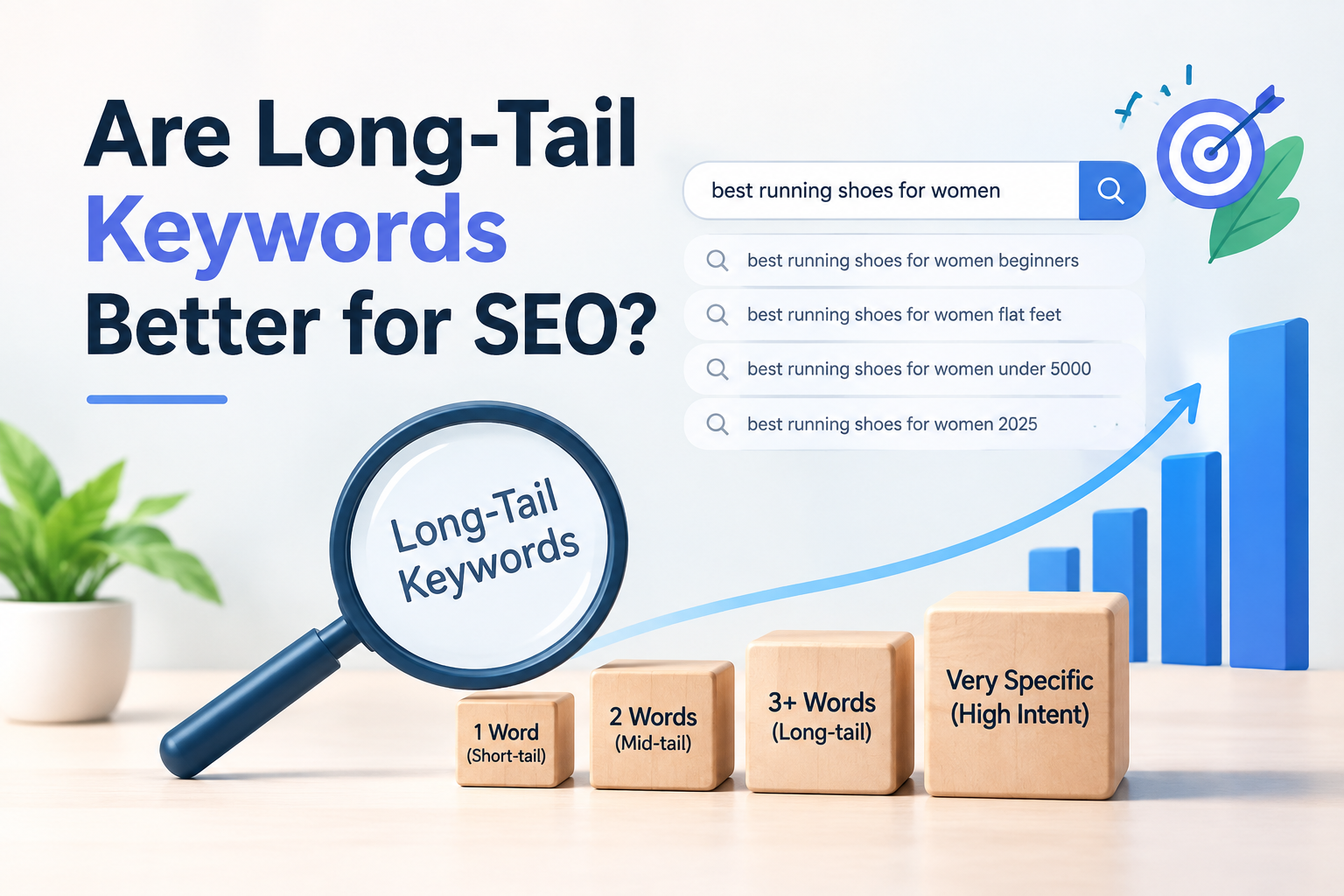
Long-tail and location-specific searches can provide earlier opportunities.
New Websites Usually Need More Patience
If your Canadian business has an established website with years of history, existing backlinks and some organic traffic, SEO has something to work with.
A brand-new domain is different.
Google has very little history to evaluate.
That doesn't mean the website can't rank. It means you generally need to spend more time establishing credibility.
Content, internal linking, technical SEO, backlinks, local signals and genuine business information all become important.
This is particularly relevant for businesses such as schools.
An seo agency for schools may need to create content around admissions, programs, locations, fees, student resources and frequently searched questions while also building trust around the institution.
That isn't something you want to rush.
What About Results in a Highly Competitive Industry?
Some industries are simply harder.
Legal services, real estate, financial services, home improvement, healthcare and competitive digital marketing searches can require considerably more effort.
That's why an SEO provider shouldn't promise something like “page one in 30 days” without understanding the website, competition and keywords first.
SEO isn't a lottery ticket.
There are things you can control — website quality, content, technical health, internal links, local optimization and outreach — but Google ultimately decides how pages are ranked.
A realistic SEO campaign looks at progress across several areas rather than obsessing over one keyword.
How Should You Measure SEO Results?
Rankings are useful, but they're not the whole story.
A business owner should also watch:
Organic traffic
Google Search Console impressions
Organic clicks
Leads and enquiries
Phone calls
Local search activity
Conversion rates
Number of ranking keywords
Visibility for commercial searches
Imagine your website moves from 2,000 monthly visitors to 4,000, but none of those visitors become customers.
That isn't necessarily a successful SEO campaign.
On the other hand, a smaller increase in traffic that brings qualified leads can be much more meaningful to a business.
That's something a good marketing agency Canada campaign should keep in mind from the beginning.
So, How Long Should You Wait?
For most Canadian businesses, 3–6 months is a reasonable timeframe to start judging meaningful SEO progress.
Some websites may show improvements earlier. Others, particularly new websites or businesses operating in very competitive markets, may take 6–12 months or longer to build strong organic visibility.
The important part is consistency.
SEO rarely looks impressive week after week. Sometimes you’ll spend weeks working on a page and see almost nothing. Then one day, several keywords start moving together.
That's the part many business owners don't see.
The work happening behind the scenes — technical improvements, content, links, local signals and ongoing optimization — is what eventually gives the website a stronger position in search.
So if you're investing in SEO in Canada, don't judge it only by what Google looks like today.
Look at where the website started, what has changed, whether visibility is growing, and most importantly, whether that growth is bringing the right people to the business.
That's where SEO starts becoming more than just rankings.